
Expanded ohmyho.st’s agent-first hosting workflow
Added self-service signup, inspectable client packages, project naming, scheduled-function history, and managed-service controls across the CLI, MCP tools, and API.
products in public.
Chronology / Build Log
Date-only notes from products and experiments being built in public.
Added self-service signup, inspectable client packages, project naming, scheduled-function history, and managed-service controls across the CLI, MCP tools, and API.
Refined the brand narrative, context-engineering animation, mobile hero, and metadata in the Next.js company website.
Integrated document-assisted registration, improved visit routing and date handling, and added identity-image cleanup in the development app. Privacy and legal acceptance remain separate gates.
Updated authentication-origin handling and regression coverage, with follow-up regional acceptance work on storage placement and retention scheduling.
Added provider-neutral data contracts and separated deterministic, integration, replay, and opt-in live-data tests. Audited legacy libraries as recovery candidates without assuming completed adapters.
Improved report-routing diagnostics, training-plan reassignment checks, and pilot regression coverage for AusbildungsNavigator.
Exercised domain authorization, framework build discovery, scheduled functions, email identity setup, health checks, and recovery paths against a real multi-service hosting flow, turning provider failures into explicit evidence instead of silent success.
Replaced the former terminal-style interface with a LaTeX-inspired black-and-white publication, added accessible system, light, and dark controls, improved section spacing and mobile behavior, and kept the static GitHub Pages build path intact.
Added signed domain-authorization state, exact active-deployment binding, staged preflight receipts, bounded retries, and cleanup checkpoints so a provider cutover cannot advance on stale or ambiguous state.
Brought source manifests, signal-evidence schemas, verification routines, API contracts, and execution documentation into one reproducible package for reviewing market signals and research workflows.
Moved the session-replay product onto a more portable full-stack foundation with scoped authentication, durable session storage and retention, updated security baselines, and clearer public positioning around customer-journey evidence.
Reworked the multilingual guest-registration flow around a portable application runtime, private database access, atomic initial-admin setup, optional server-side OCR credentials, and clearer secure check-in messaging.
Separated provider claims from workflow replay, gated replay persistence by exact attempts, retained redacted provider diagnostics, and made uncertain infrastructure outcomes recoverable without repeating blind mutations.
Added bounded runtime-secret delivery, serialized container release epochs, credential-free build evidence, exact artifact handling, and recovery paths for uncertain provider starts and failed releases.
Expanded the local macOS dictation app with explicit command-provider paths, ordered screenshot context, secret-safe diagnostics, failed-turn retention, and a visible Hermes handoff while keeping normal transcription local.
Migrated stay listings, planner reads, accommodation resources, reference data, and management writes to a managed PostgreSQL boundary with explicit health checks and bounded runtime write paths.
Used frozen replay sets to tighten function and geography retrieval, employment binding, rank tiers, and negative filters while preserving measurable evidence for every promoted policy change.
Built preregistered challenger runs, frozen holdout consumption, deterministic committee seats, replay receipts, and evidence-bound promotion gates so ranking improvements could be measured before adoption.
Hardened authorization, request identity, leases, storage, model policy, and result retrieval so ranking batches remain isolated, reproducible, and safe to resume.
Turned the accommodation workflow into a structured system for stays, people, groups, rooms, beds, planner assignments, CSV operations, invitations, and guarded management actions.
Expanded correction and review flows, reminder-delivery guards, role and row isolation, local-draft recovery, admin workflows, and automated browser scenarios for the digital training-record product.
Added attribution-safe lead joins, location-aware sourcing, batch profile enrichment with bounded provider fallbacks, and a faster worker path for larger research runs.
Hardened model-output parsing and batch completion so malformed judge responses can be recovered while leads without an actual evaluation remain blocked from results.
Added company and people sourcing, per-company buyer-fit ranking, owned-site and RSS news monitoring, dashboard search, background polling, retries, and durable batch results as one connected research workflow.
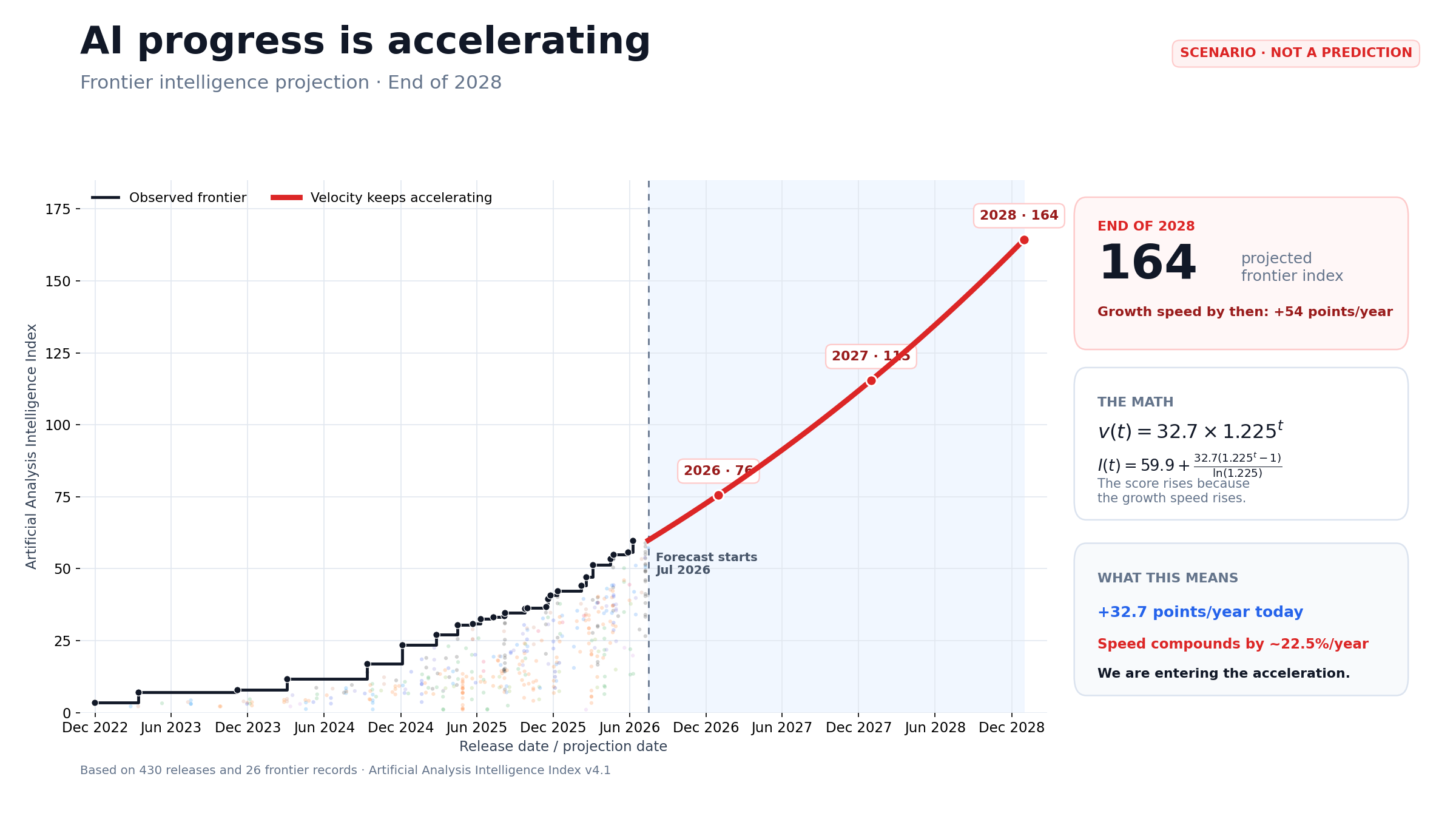
Reconstructed 26 frontier records from 430 model releases, separated long-term growth from current fitted velocity, derived a 1.225× annual velocity multiplier, and published scenario projections for spring 2027 and the end of 2028.
The localization platform now has stronger page discovery, domain adoption, live-translation controls, scoped page status, and safer handling of locale routes so teams can see what is translated and what still needs attention.
The macOS voice tool now keeps the speaker’s language intact in command prompts and can attach optional screen context to a voice command, making spoken instructions more useful without changing its local-first dictation flow.
Project ELSON now has a public product surface, protected entry, a reusable interface system, and an operator workspace for market signals, research, outreach, pipeline work, and reviewable handoffs.
A branded web experience and guided product flow now give the AI sales-assistant prototype a clearer public home and a structured starting point for teams.
The sales-agent prototype now supports faster business intake, live brief updates, smarter follow-up questions, a guided voice review, source grounding, and a cleaner handoff from setup into the first sales workflow.
Locale routes, partial project sync, retry handling, page discovery, live overrides, and page-status summaries were tightened so a multilingual site is less likely to lose context when a translation pipeline needs to recover.
The project now matches the GitHub repo name wispr-alternatve-local-llm and covers local FluidAudio dictation, OpenAI-compatible command LLMs, Markdown dumping, continuous note capture, optional ESP32 Bluetooth keyboard output, guided setup, configurable audio inputs, and visible Hermes Agent handoff.
The Make Skills package improved API-shell fallback execution, credential request guidance, update/upsert examples, logical operator docs, and anti-hallucination rules so agents can build Make workflows with clearer steps and fewer invented details.
Project APEX moved from visual system work into a real onboarding flow with provider-ready app structure, faster intake input, persisted briefs, deployment cleanup, and an Elson-style intro for the autonomous sales-agent concept.
Lovalingo gained safer translation job handling, Worker-limit protections, TanStack locale route support, Stripe checkout persistence, clearer production positioning, sitemap and schema checks, and a simpler dashboard for checking translated pages.
DEVLO AIOS added source-backed run cards, skill gates, SEO and GEO workflow hardening, model and tool watch reports, task registry automation, and feedback gates so agent-assisted operations are easier to review and repeat.
Elson removed stale feedback-learning and history-summary paths, added explicit shortcut intent reduction, filtered skill selection, and moved history titles into the primary prompt output for a cleaner local-agent loop.
Lovalingo Web restored the public route set across guides, comparisons, middleware, MDX components, and the well-known manifest route.
airader gained public API documentation, OpenAPI schema, improved landing copy, metrics/HUD state updates, and Hotjar/Lucky Orange comparison pages.
The tracker product was rebranded to airader while session pagination, login/site flows, and worker-backed session surfaces moved forward.
Elson updated the README headline around the open-source Mac voice-assistant positioning after the release-artifact work.
Lovalingo released package 0.5.29 and documented manifest maintenance while the web surface restored the language switcher, locale fallback, and public route coverage.
Elson shipped 0.0.44 release artifacts with modern and compatibility DMGs plus the universal installer.
Lovalingo Web added sitemap validation, legacy redirects, production sitemap checks, GSC baseline records, priority use-case SEO, and extractable answer content.
TEMPO AI added a minimal company profile, product grid, GitHub Pages workflow, deployment trigger, and apex-domain configuration.
Elson added persisted audio captures, menu copy buttons, chunked recording, overlap metadata, bubble recording state, and low-energy audio forwarding to ASR.
Refreshed the homepage, about page, project copy, live-status links, and build-log archive so the site reads more like an active builder dashboard than a static portfolio.
Sharper project copy, public demo links, and a new visual for the agentic Seb Builds context.
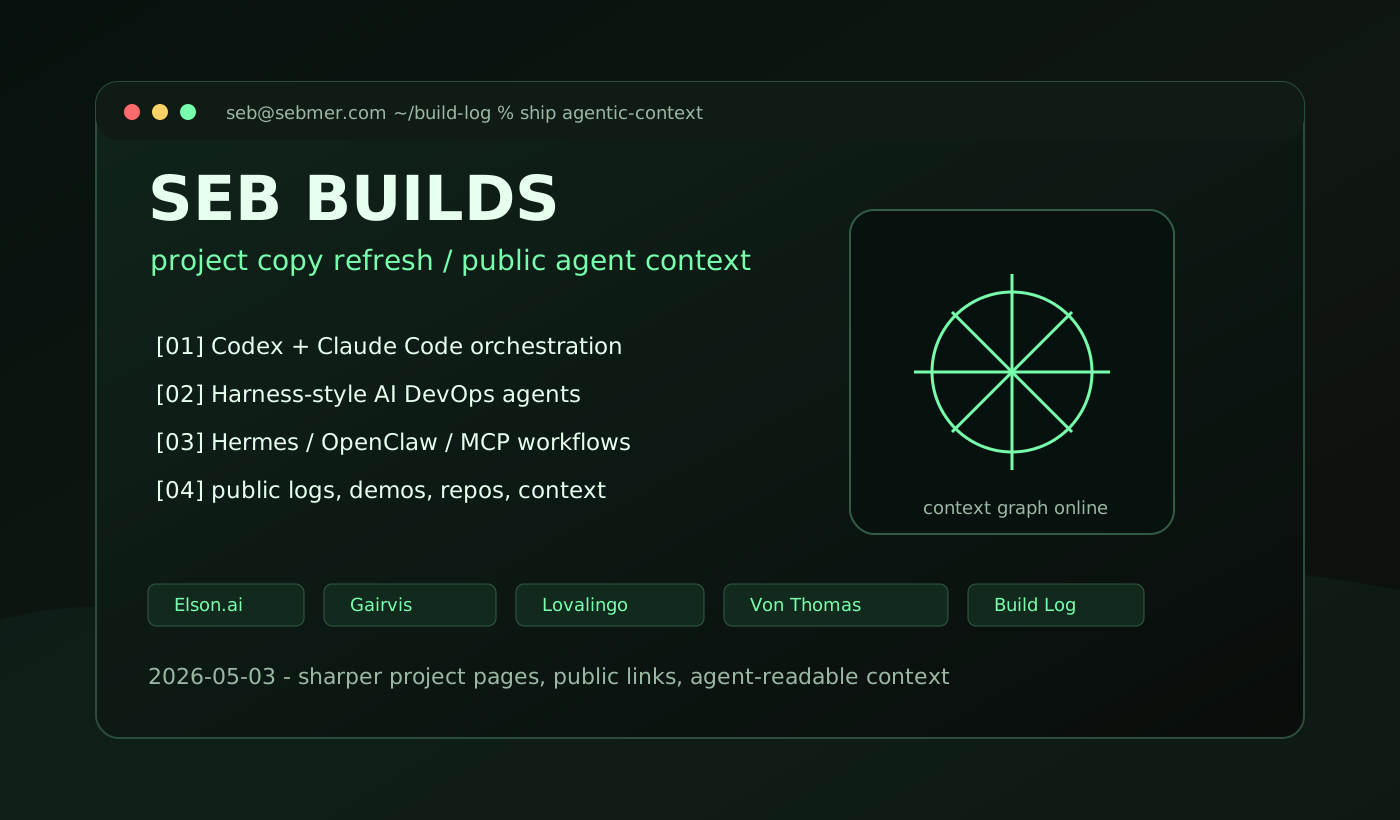
Prepared the static GitHub Pages deployment, notes and project routes, legal pages, sitemap updates, and a small CLI foundation so Seb Builds can be published and inspected through repeatable project tooling.
Nine active projects replaced the starter placeholders.
Local-first macOS voice assistant, installer work, and open-source positioning.
Public-safe summary of the Hermes-assisted social research loop.
Market-data research summary now covers scanners and intraday snapshots.
Agent workbench summarized without private paths or raw checkpoint details.